
The complete guide
How to Choose a Golf Ball Shag Bag That Actually Saves Your Practice Session
The part of practice nobody plans for
You plan the session. Fifty wedges from 60 metres, then twenty chips, then putts. What you do not plan for is the ten minutes at the end spent bent double, picking balls off the turf one at a time, standing up, taking three steps, and doing it again.
That part is quietly why a lot of people practise less than they mean to. It is not the work of hitting shots that wears you out. It is the ninety squats you did afterwards without noticing. If you have any history of back trouble, it is worse than that, because the pick up is the thing that ends the session early and sometimes the thing you feel the next morning.
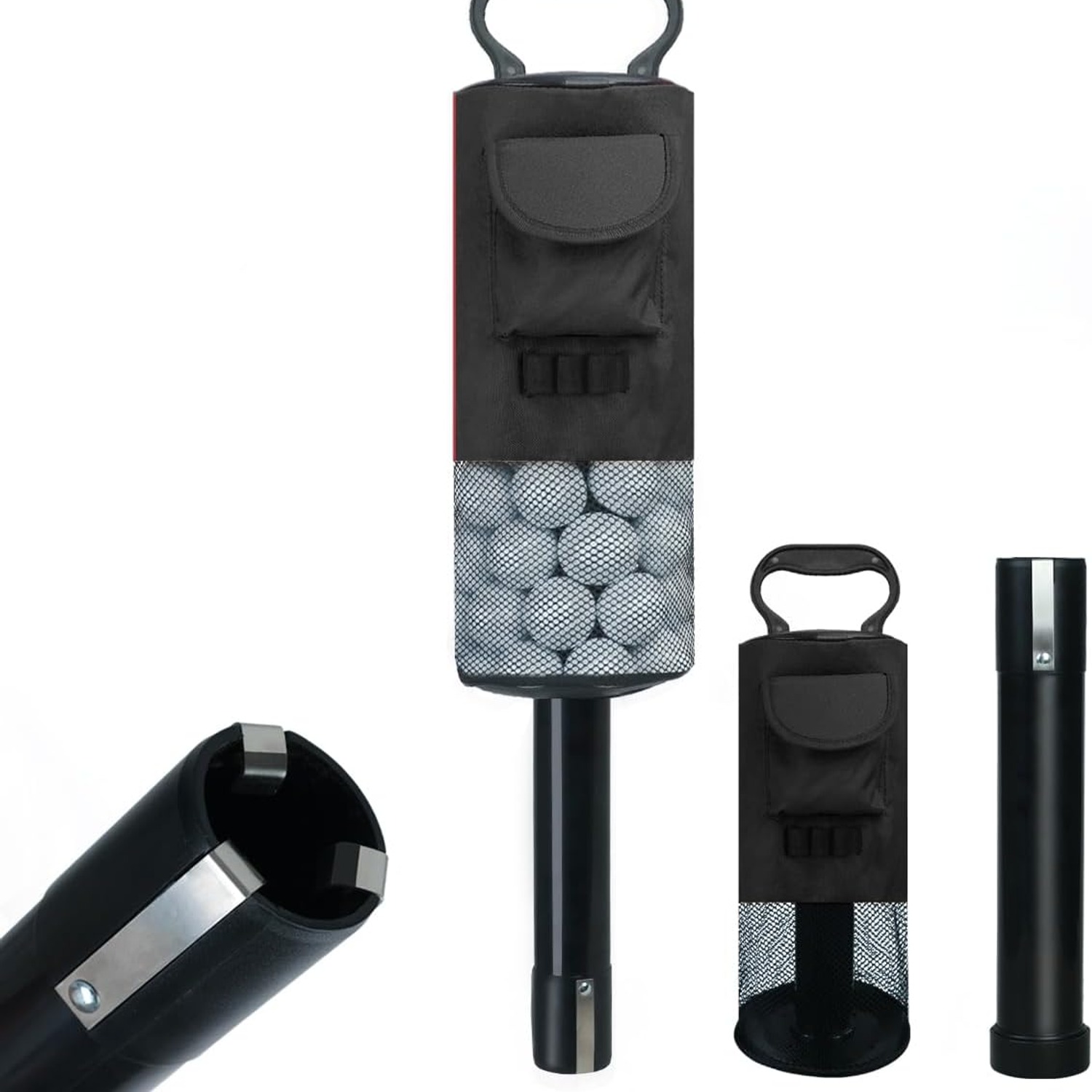
A golf ball shag bag fixes a very specific problem. It lets you collect balls while standing upright, carry them, and store them, all in one piece of kit.
How a pick up tube works
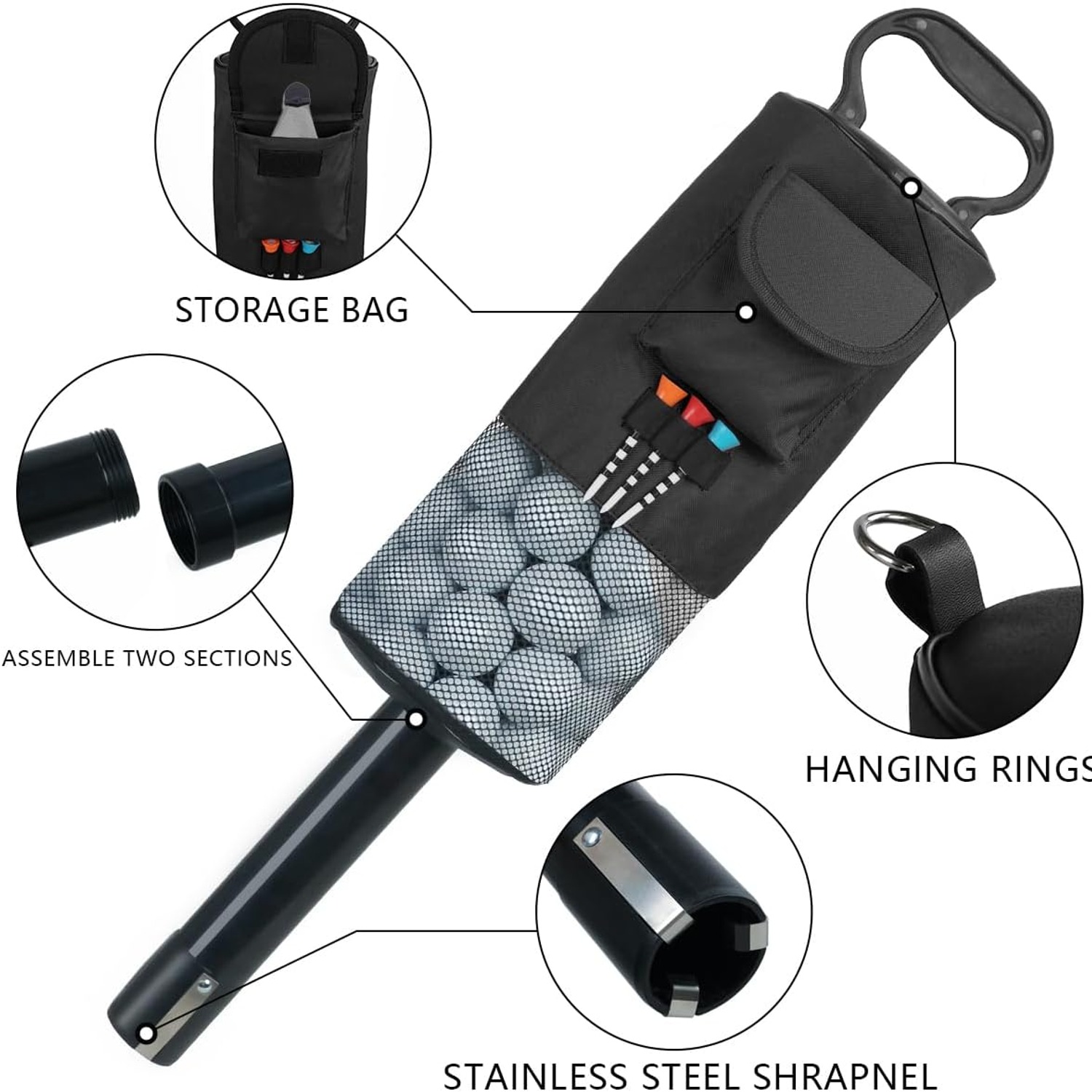
The design has barely changed in decades, because it does not need to. The tube has an open end with a sprung retainer inside. Push the open end down onto a golf ball and the ball pops past the retainer. The retainer closes behind it, so when you lift the tube, the ball stays in.
Do that seventy times and the tube is full, with the balls stacked in a neat column. Tip it over a bucket and they run back out.
There is no motor, no trigger, no cable to snap. The only moving part is the retainer, and the only thing that stops it working is grit packed in around the opening. That simplicity is the reason these things last years on a range where more complicated gadgets do not.
The press is the bit people get wrong at first. Go straight down, with a bit of weight behind it, rather than nudging at an angle. On a mown surface you will feel the ball seat with a small click. After twenty balls it becomes automatic and you stop thinking about it.
Who this suits
Range regulars. If you buy a bucket, hit it into an open field or a small practice area and then have to clear it yourself, this is the obvious answer. One bucket of fifty to seventy balls fits in a single load.
Backyard net owners. Hitting into a net leaves a dense pile of balls at your feet. Clearing them with a tube takes under a minute, and the tube becomes your storage between sessions. No more bucket tipped over in the shed.
Short game players. Chipping and putting practice means lots of balls in a small area, repeated over and over. Being able to gather and redeploy without crouching is the difference between a twenty minute session and an hour one.
Coaches and parents. If you are feeding balls to a junior, you are the one doing the pick up. A golf ball collector tube means you are not spending the lesson on your knees.
Anyone with a dodgy back. This is the honest headline. A no bend golf ball retriever will not cure anything, but it removes the single most repetitive movement in practice.
What to look at when you compare
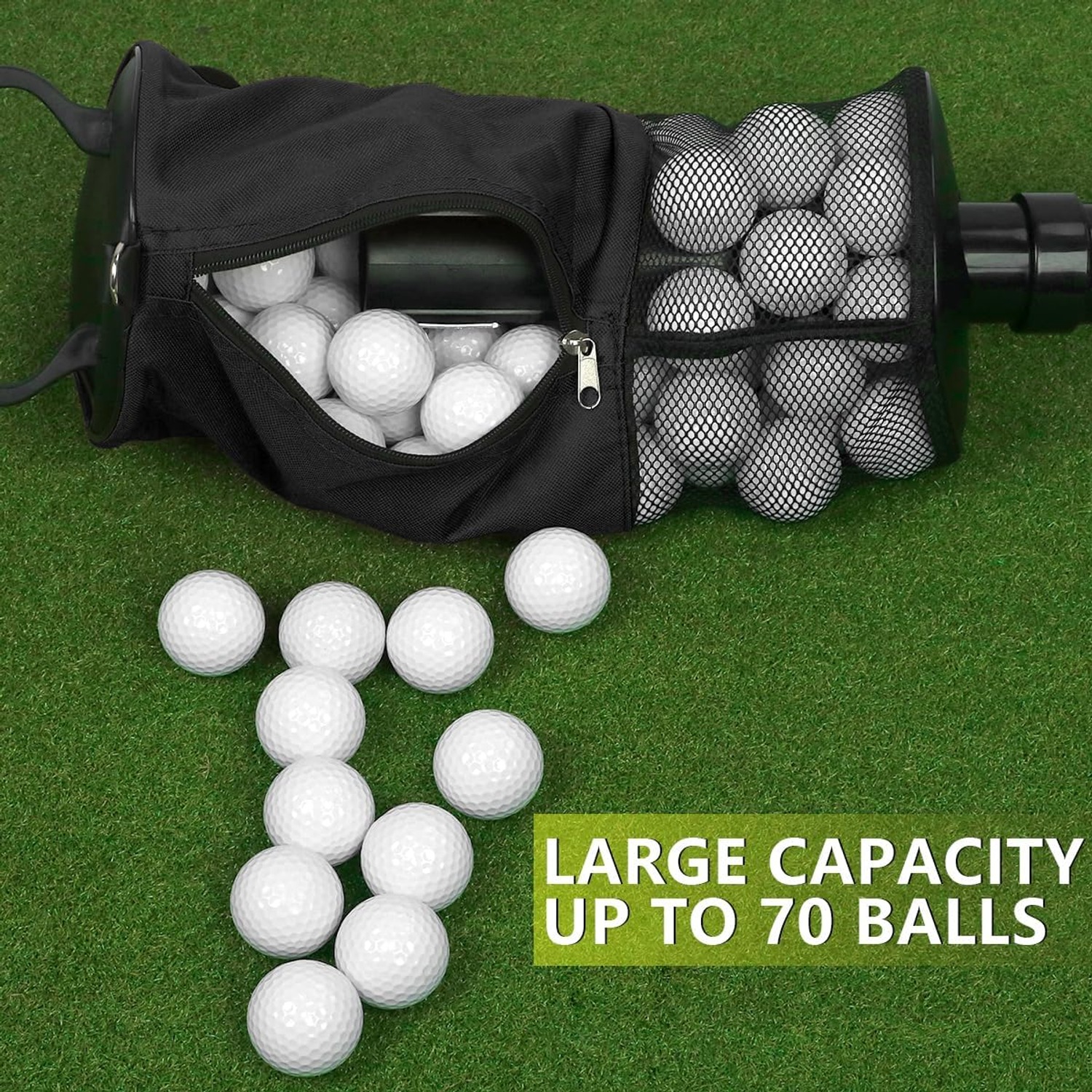
Capacity. Count how many balls you actually hit in a session. If you buy a standard bucket, you want something in the 60 to 70 range so you are not stopping halfway through to empty. This one holds up to 70 with the tube fully extended.
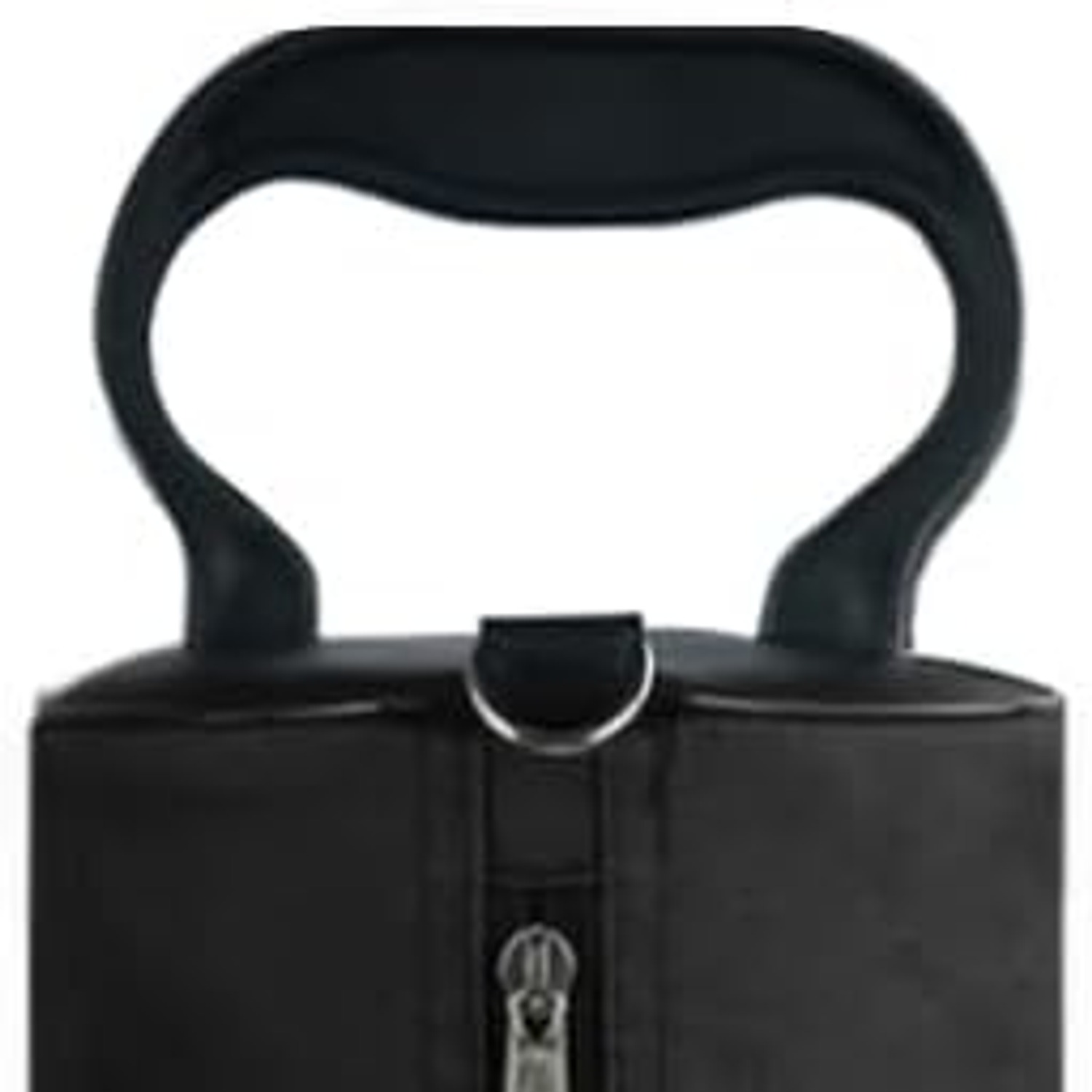
The handle. You will be gripping it for the whole pick up, then carrying a few kilos of loaded tube back to the car. A shaped grip handle matters more than it sounds like it should. A bare tube end with no grip gets uncomfortable fast.
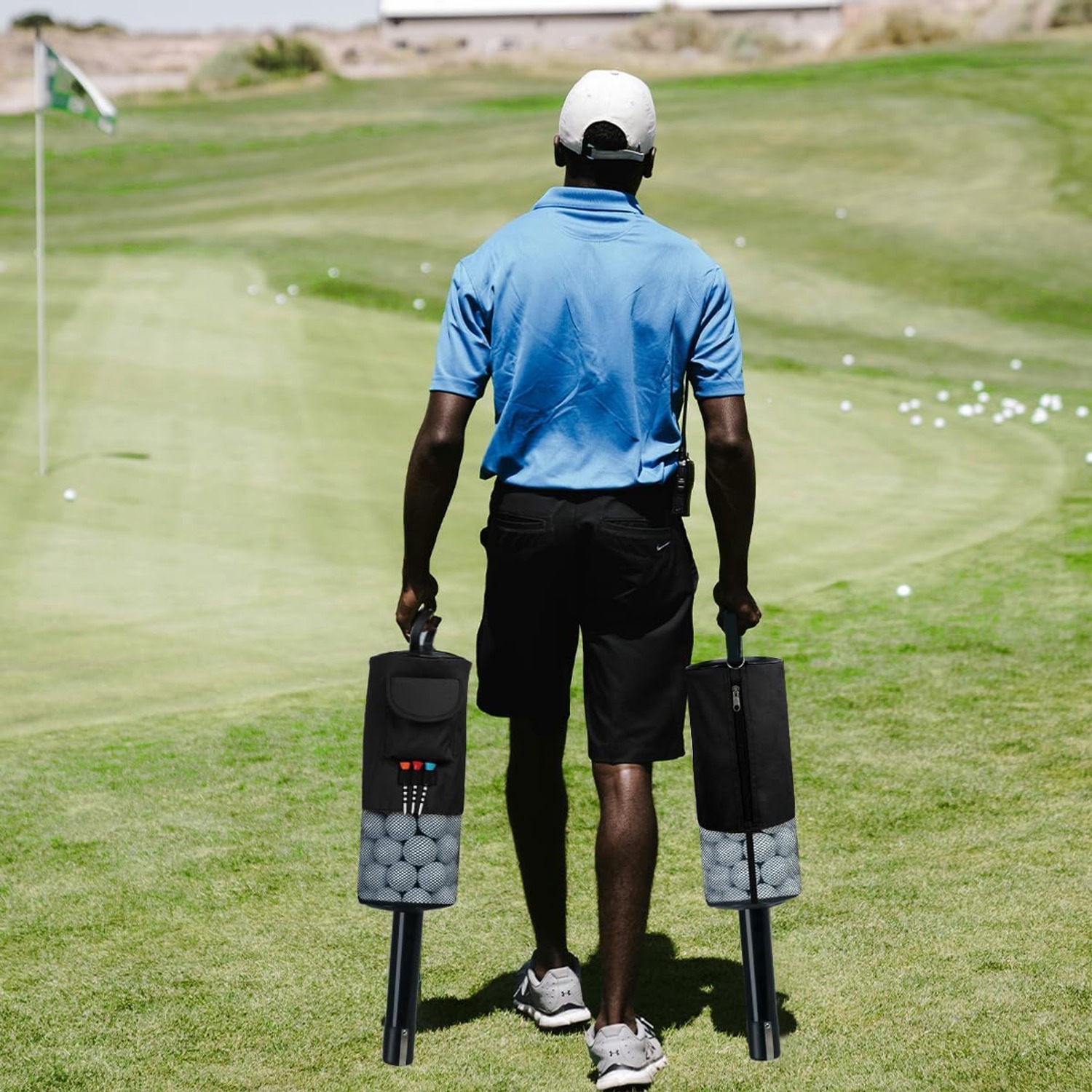
Whether there is a bag at all. Plenty of cheap picker uppers are just a tube. That is fine if you only ever practise ten steps from your bag. If you walk to a practice area, having a nylan carry bag with a pocket means your phone, keys and wallet come with you instead of sitting unattended. That is one less thing to think about.
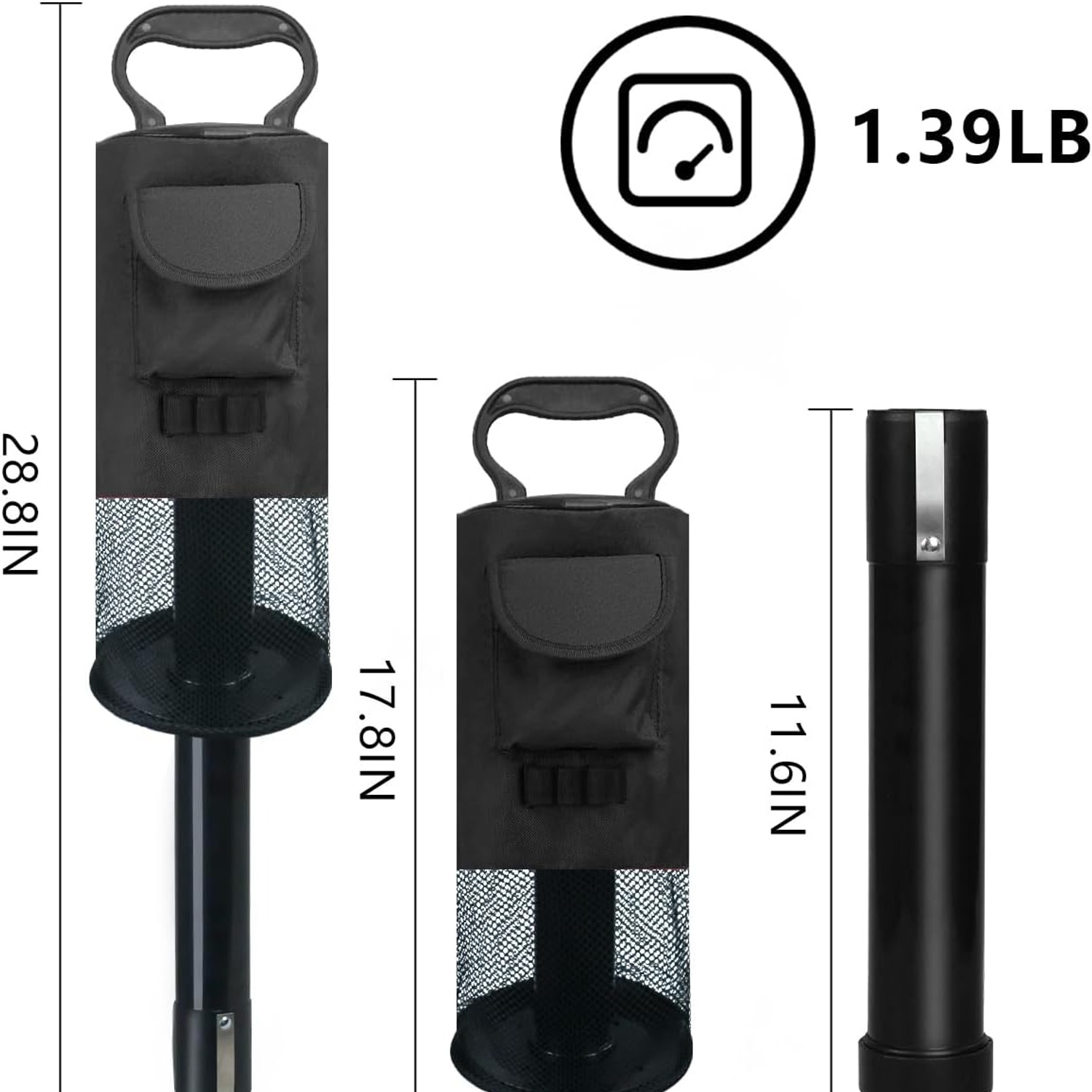
Strap and storage. A detachable strap is worth having. On the walk out, you want it over a shoulder. While picking up, you want it out of the way. A removable tube also helps when you are trying to fit a practice ball bag for golfers into a car boot that already has a full set of clubs in it.
Weight. Empty weight here is 600 g. That is light enough that the loaded weight is almost entirely the balls themselves, which is what you want. Heavy tubes get tiring on the carry back.
Tube versus roller basket
The other common option is a wire roller basket you push along the ground. It is worth knowing the difference before you choose.
A roller basket is quick over wide, flat, evenly mown ground with lots of balls spread in a broad area. Push it along and the wires flex to let balls in. It covers ground fast.
A golf ball retriever bag with a tube is better for scattered balls, slopes, around practice greens, near a net, and in any tight space. It is more precise. It also doubles as carry and storage, which a basket does not. And it packs down smaller.
If you are clearing a whole driving range field, take the basket. If you are clearing your own practice balls, the tube is nearly always the better tool.
Getting the best out of it
Work in a pattern rather than wandering. Walk a line through your ball cluster and pick up as you go, rather than zigzagging back and forth. You will finish faster and with less walking.
Keep the tube opening clean. Almost every complaint about a sticking mechanism comes down to grass clippings, sand or mud packed around the retainer. A quick shake out at the end of a session prevents it. If it does get gummed up, empty the tube, wipe the opening with a damp cloth and let it dry fully before the next use.
Empty it after you finish rather than leaving a full load sitting in storage. It takes pressure off the retainer and lets any moisture dry out.
If you practise somewhere wet, let the nylon dry before you shove it in a cupboard. Nylon handles damp fine, but nothing enjoys being stored wet in the dark.
Storage and care, briefly
Wipe both the fabric and the plastic with a damp cloth. Air dry. Store out of direct sun, because long term UV exposure is harder on plastic than anything that happens during a session. Detach the tube if you need the bag to pack flat.
That is genuinely the whole maintenance routine. There is nothing to oil, tighten or replace.
The short version
If you practise more than occasionally, the pick up is costing you time and energy you would rather spend hitting shots. A golf ball shag bag solves it with a tube that holds up to 70 balls, a bag with a pocket for your phone and keys, a detachable strap and a grip handle that stays comfortable through a long collection.
It weighs 600 g empty, it is nylon and plastic, and the tube comes off for storage. There is one moving part, so there is very little to go wrong.
Buy it once, keep the tube opening clean, and it will quietly make every practice session a bit longer and a lot less annoying.